News
Which cars are going extinct?
58 cars that won’t be on the road by 2030
Ryan Barham
Last updated: 09/12/2025
Ryan Barham
Last updated: 09/12/2025
When was the last time you saw a Peugeot 306 on the road? Discontinued in 2002, the sight of this once almost ever-present vehicle is now very rare indeed - and some more modern favourites are expected to follow in its footsteps in the next few years.
At Tempcover, we’ve analysed DVLA data to predict the 58 cars that are predicted to disappear from UK roads by 2030…
2027 | 2028 | 2029 |
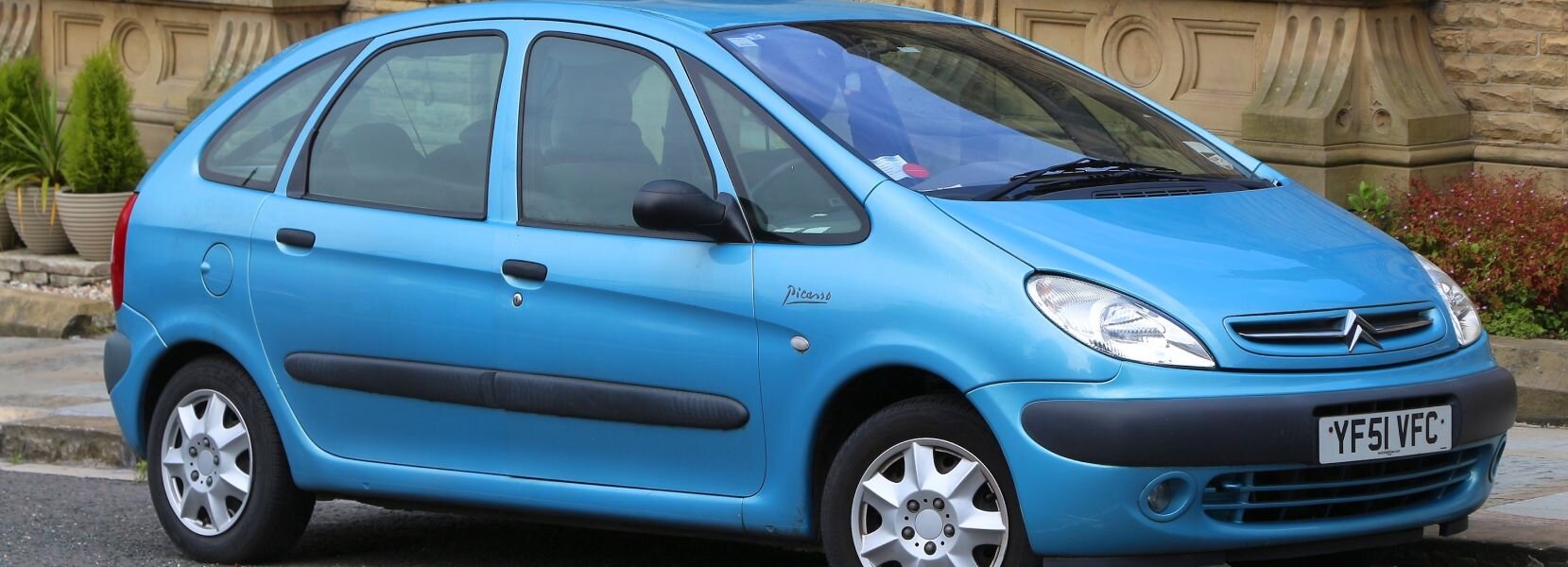
Citroën Xsara | Chrysler PT Cruiser | SEAT Arosa |
Mitsubishi Space Star | Ford StreetKa | Chevrolet Matiz |
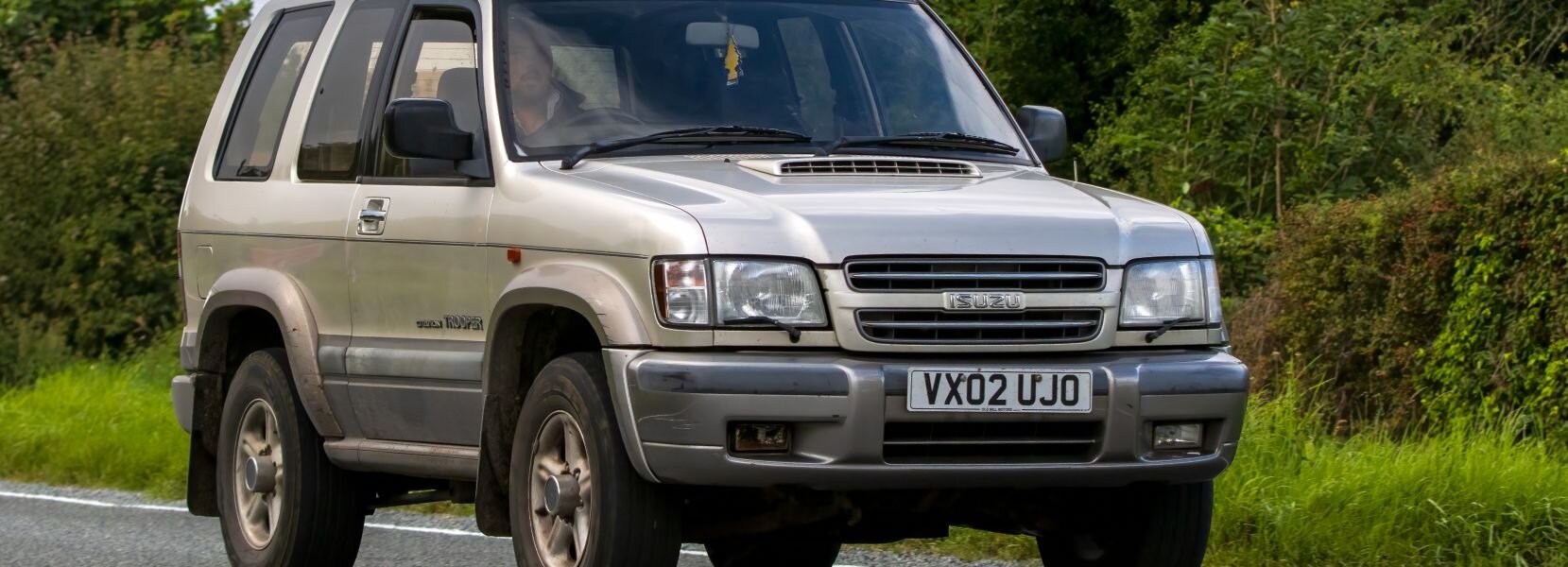
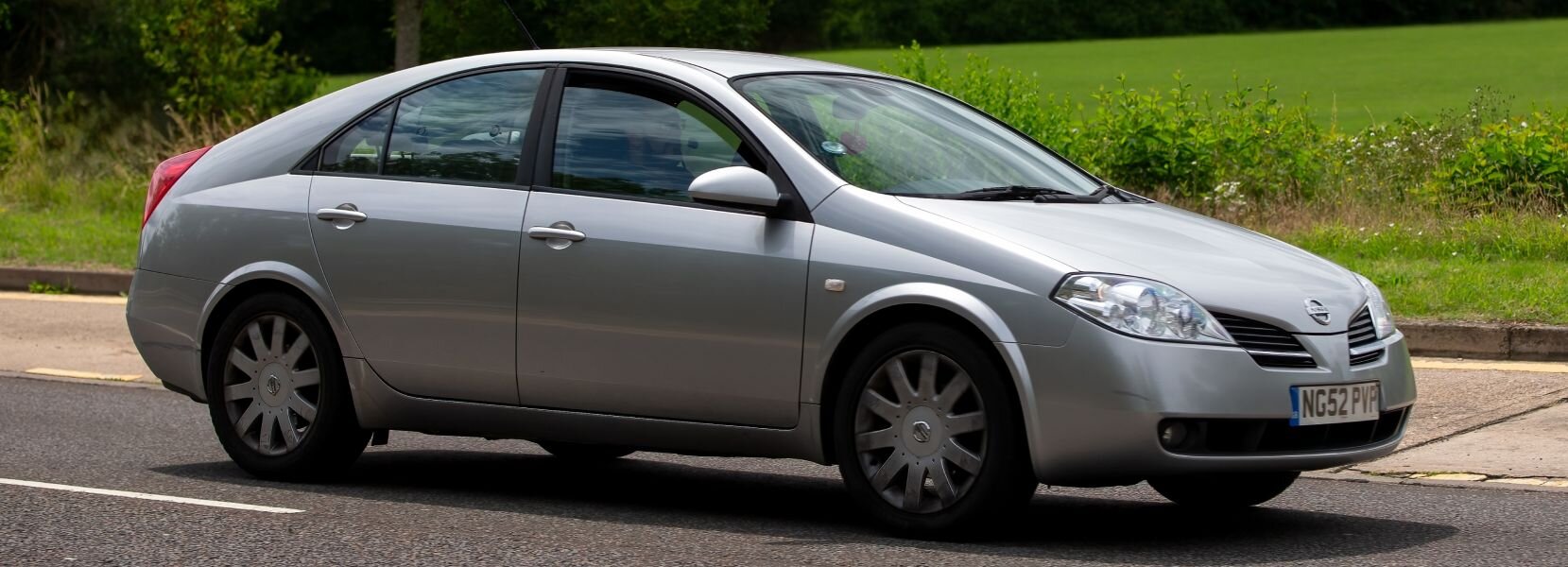
Nissan Primera | Hyundai Accent | Isuzu Trooper |
Peugeot 307 | Nissan Almera | Jaguar S-Type |
Rover 45 | Volkswagen Bora | MCC Smart |
Vauxhall Vectra | Citroën Saxo | MG ZR |
Alfa Romeo 147 | Jaguar X Type | Renault Grand Espace |
Chevrolet Kalos | Lexus IS 220 | Audi Allroad |
Chevrolet Lacetti | Mazda CX-7 | Mazda 5 |
Chrysler Voyager | Peugeot 1007 | Peugeot 106 |
Mazda 323 | Peugeot 306 | Rover 200 Series |
Peugeot 206 | Renault Laguna | Saab 9-5 |
Peugeot 406 | Alfa Romeo 159 | Toyota Previa |
Peugeot 407 | Chrysler Grand Voyager | Honda FR-V |
Rover 25 | Kia Sedona | MG ZT |
Alfa Romeo GT | Lexus RX 300 | Nissan Pathfinder |
Citroën C2 | Rover 75 | Peugeot 4007 |
Fiat Bravo | Vauxhall Tigra | Suzuki Wagon R+ |
Jeep Patriot | Chevrolet Captiva | |
Hyundai Coupe | ||
Hyundai Matrix |
We’re set to say goodbye to some popular makes and models including the Fiat Bravo, Citroën Xsara and Nissan Primera in 2027, the Ford StreetKa, Renault Laguna and Vauxhall Tigra in 2028 and SEAT Arosa, Jaguar S-Type and Mazda 5 in 2029.
These cars range from popular first cars (Citroën Saxo) to reliable family cars (Vauxhall Vectra) and some much-loved British classics including the Rover 200.
As cars age, they naturally start to deteriorate with owners facing trickier maintenance and ever-rising repair costs. This, in turn, leads to struggles when it comes to passing an MOT test (which are also becoming stricter). Many owners may just cut their losses and retire their vehicle, no matter how beloved it is, due to costs that could be far more expensive than buying a new (or second-hand) car.
There’s also the green initiative to take into account. The UK government still plans to phase out the sales of new petrol and diesel cars by 2030 in an effort to provide ‘cleaner air and quieter streets, enhancing the quality of life in our communities’. This means manufacturers are starting to slow down on making some of the more familiar models as we move towards a new generation of transport.
Some car collectors, motor enthusiasts or auctioneers may be entertaining the idea of buying a car before it is discontinued, especially if they have an eye on the future.
The potential value - A rare car could potentially have some resale value, but this isn’t always the case. Some drivers will buy a car that may soon disappear from the road with the intention of selling it for an increased price later on.
The unique nature of the vehicle - Many collectors will love the idea of having a ‘one of a kind’ vehicle and how it will potentially turn heads when heading out on the road. There’s also the chance to present it at car shows and meet fellow petrolheads.
Rising repair costs - As cars age, they’ll naturally start to need more maintenance and this can put a significant strain on finances. You may need to find specialist repair companies to carry out the fixes - but this will come at a premium.
Hard-to-find parts - If something in the car breaks and needs replacing, the part may no longer be manufactured. This could either end in a desperate search via online sites - with no guarantee it will be in working order - or significant amends to the interior of your vehicle.
Focus on rust prevention - Wear and tear can damage a car’s protective coating over the years, which will lead to its metal being exposed to moisture. Climate, age, materials and even driving style can also help develop surface, scale and penetrating rust. To stop rust and corrosion from forming, The RAC recommends rinsing and drying, adding a coat of wax, applying oil and keeping your car in a dry space like a garage. If you are not confident, do your research to find a trusted garage and see if they can help.
Carry out checks on a timely basis - Change your fluids and carry out maintenance checks on an annual basis. Don’t let oil degrade over time, as this can cause significant damage.
Drive the car regularly - Keep the vehicle in working order by driving it on a regular basis. This will keep the battery charged, circulate all fluids, lubricate seals and gaskets and help prevent flat tyres.
Some other familiar favourites have ceased manufacturing over the past few years, meaning these cars may also soon disappear:
The RAC Foundation says the current average lifespan of a car is nine years and 10 months old - the oldest it’s ever been. However, older vehicles might not maintain this level of reliability so be sure to carry out regular servicing and maintenance.
If you’re interested in an older car, it’s important to take a test drive when thinking about buying. This is where temporary car insurance can help you get a feel for the vehicle. You could also use this short-term cover if you want to drive a friend’s ‘future classic’ car.
Our temporary car insurance expert Claire Wills-McKissick adds:
"For many drivers, iconic models like the Citroën Saxo, Vauxhall Vectra, or Peugeot 307 are more than just vehicles, they’re part of our memories, from first drives to family holidays and countless everyday journeys. To think these models are gradually disappearing from our roads is a reminder of evolving times, but for anyone hoping to secure one of the last remaining examples, temporary car insurance is a way to easily test drive them first.
“However, it’s important to be aware that older cars naturally require more dedicated care; parts may be harder to source, and they often need greater attention during MOT inspections for example. While owning one requires investment in time and resources, it also offers a unique opportunity to preserve a piece of motoring history for years to come."
https://www.rac.co.uk/drive/advice/car-maintenance/new-mot-rules/
https://www.rac.co.uk/drive/advice/how-to/car-rust-guide-how-to-remove-and-prevent-it/
https://www.footmanjames.co.uk/blog/top-tips-for-maintaining-your-classic-vehicle
Tempcover used the Prophet statistical model to analyse ten years of official DVLA vehicle licensing data from the table df_VEH0120_UK. The analysis focused on cars only, excluding vehicles marked as SORN, models with fewer than 1,000 registrations in Q1 2025, and any models without at least five years of non-zero registration data. Vehicles were grouped by generic model, and the predicted “disappearance quarter” for each model was defined as the first quarter where the forecasted registration falls below zero. The exact extinction date was then estimated based on this quarter.
These dates are estimates based on current trends, so take them as a guide rather than a certainty, cars may stick around longer than predicted.