Driving advice
What are the most hated driving habits?
From tailgating to talking on the phone…
Ryan Barham
Last updated: 03/06/2026
Ryan Barham
Last updated: 03/06/2026
While we all like to think of ourselves as good drivers, many of us have pet peeves when it comes to others’ driving habits. While some of these traits can be annoying, others can be dangerous or even lead to road rage.
But what are the actions that really grind our gears? We’ve looked across the internet and discussed the bad driving habits that can really wind up other road users.
There are a number of behaviours that other motorists may find extremely annoying. Often, these go against the guidance of The Highway Code. How many of the below irritate you?
We’ve all been there, driving along a motorway when someone decides to just stick in the middle lane at a certain speed. This cannot only cause extra congestion but can be frustrating and dangerous.
Rule 264 of the Highway Code states: ‘You should always drive in the left-hand lane when the road ahead is clear. If you are overtaking a number of slow-moving vehicles, you should return to the left-hand lane as soon as you are safely past.’
Tailgating, or cars following too closely, is a factor in around 1 in 8 collisions on England’s motorways and A-roads. It’s an uncomfortable experience having someone drive so closely when you’re following the rules of the road and can feel overly aggressive.
Tailgating goes against Rule 126 of The Highway Code: Drive at a speed that will allow you to stop well within the distance you can see to be clear.’ You can find out how to deal with tailgating in our guide.
It can be frustrating to see other drivers talking on their phone, especially when you are following the roads. If these drivers are caught with a device in their hands, they could be subject to a CU80 conviction - an offence that could land them with 6 points, a £200 fine and potentially even losing their licence (if they passed their test in the past two years).
How are you meant to know where someone is planning on going if they don’t indicate? While this can be stressful for other road users, the person driving the car that doesn’t indicate could face a fine of up to £5,000 and up to 9 points on their driving licence.
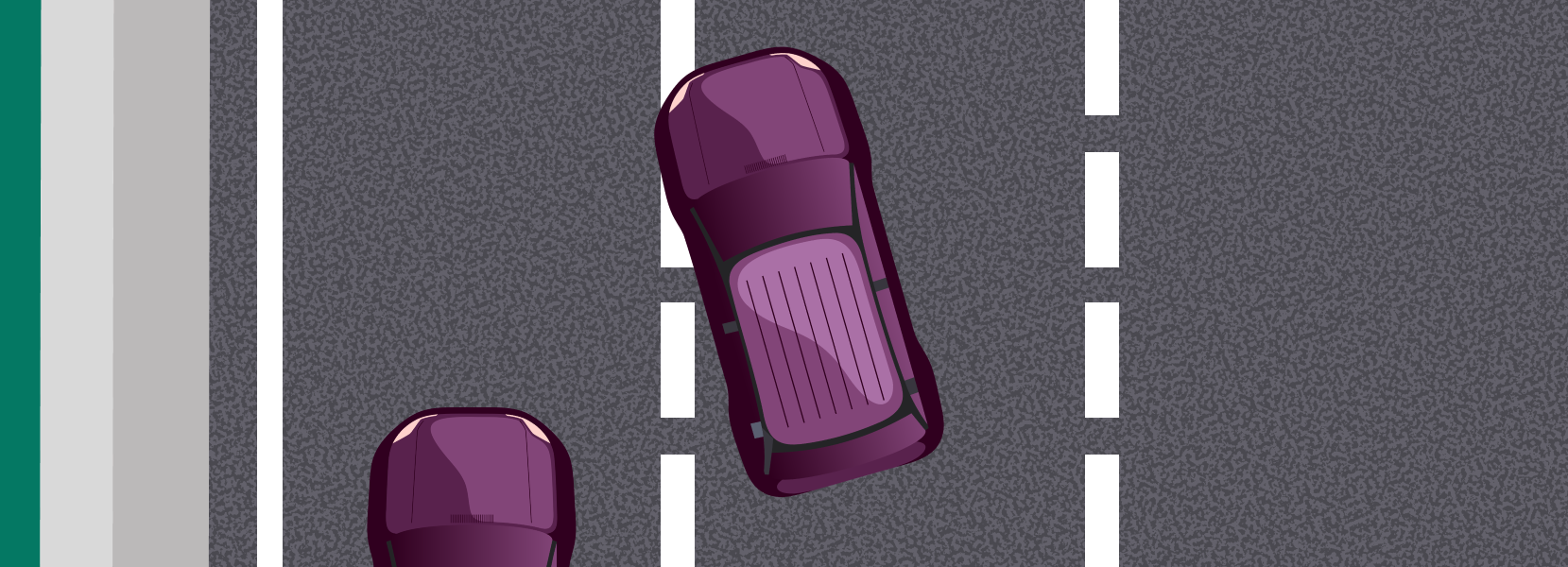
Another dangerous driving act is when drivers ‘swoop’ across multiple lanes on a motorway to exit at a junction. This could lead to a driver in the left-hand line stopping abruptly to avoid the culprit, putting themselves in danger of being shunted. Not merging correctly may also figure highly in drivers’ lists of frustration.
Another thing likely to wind you up is when you feel like you’ve been beeped at or had lights flashed at you unfairly. Although it can be tempting to retaliate, you should avoid doing this and try to keep calm. Sometimes they might be giving a warning to say they are there, although flashing headlights to warn other drivers of police speed checks is illegal and could lead to a fine of £200. Another act that might cause
Splashing someone on purpose is illegal, with a potential penalty of three points on your licence and fine of up to £5,000. All drivers should take care when driving in adverse weather.
Some drivers will park in disabled or parent and child bays when they’re not entitled to, causing significant issues for those who do have to use this space. Parking can also be a squeeze at times, so seeing a car parked across two (or even three) lanes can be extremely infuriating when you’re looking for a space.
According to The AA, drivers obnoxiously playing loud music is one of the top 10 most prevalent impolite driving habits. While there’s no specific maximum level of volume, playing loud music between 11pm and 7am could be against the Noise Act 1996.
Councils can issue warnings and potentially a fine of up to £5,000. Often the level of frustration aimed at this could be down to the time, or maybe the music just isn’t to your taste.
As mentioned, some of the above driving habits are illegal and can be dangerous. If a driver is caught doing them or causes an accident, they could have a claim made against them and face penalty points and fines.
Drivers can be penalised for being distracted at the wheel. This isn’t just using a phone when they shouldn’t; it could be taking their eyes off the road to change a setting on the dashboard or eating behind the wheel.
Hesitant driving can also cause issues. Although you should expect the unexpected, if you’re behind a cautious driver, you should take extra care. You wouldn’t want to drive into the back of them if they don’t go when you are expecting them to.
Bad driving habits cannot only cause confusion and potentially collisions with other drivers but also extensive damage to vehicles.
DGN Driving school also recommends the following good driving habits:
Yes, bad driving habits can affect insurance rates. If a bad driver were to be caught speeding or found responsible for causing an accident, this would be reflected in not only penalty points and fines but also future premiums. This will be because the insurers see them as more risky drivers.
If you’ve started to consider your own driving habits, it’s worth taking extra care when driving someone else’s car.
Remember, with temporary car insurance, you get comprehensive cover that won’t affect their No Claims Discount, even if the worst was to happen, for as long as you need.
Which bad driving habits do you find most frustrating?
https://www.rac.co.uk/drive/advice/driving-advice/driving-habits-that-damage-your-car/
https://www.theaa.com/breakdown-cover/advice/uk-annoying-driving-habits
https://www.insurancerevolution.co.uk/blog/top-5-good-nd-bad-driving-habits/
https://www.admiral.com/magazine/guides/motor/bad-driving-habits-that-could-damage-your-car
We also currently hold an ‘Excellent’ rating on Trustpilot with over 50,000 reviews.